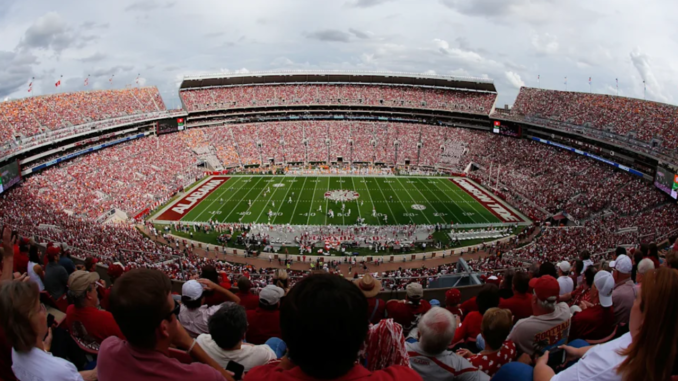
University of Alabama has agreed to a groundbreaking 100-year lease of the naming rights to Bryant-Denny Stadium, transferring them to the University of Tennessee in a deal sources say is valued at over $1.2 billion
The announcement, made jointly by Alabama athletics director Greg Byrne and Tennessee vice chancellor and director of athletics Danny White late Thursday, stunned observers. Effective immediately, the iconic Tuscaloosa venue—home to the Crimson Tide since 1929—will be rebranded as Neyland-Bryant-Denny Stadium, though signage and official references will emphasize the “Neyland” prefix in marketing and broadcast materials for the duration of the century-long agreement.
“This is a forward-thinking partnership that secures Alabama’s financial future while honoring the shared legacies of two legendary programs,” Byrne said in a prepared statement. “The resources from this lease will fund NIL collectives, facility upgrades, and academic initiatives without burdening taxpayers or donors. Tennessee gains a historic venue tie-in that amplifies their brand across the SEC footprint.”
The deal, structured as a long-term lease rather than an outright sale to sidestep some university governance hurdles, reportedly includes annual payments escalating over time, plus performance bonuses tied to attendance and national television appearances.
Insiders familiar with the negotiations described it as “unprecedented in scope,” dwarfing recent corporate naming rights agreements like Arizona’s $60 million Casino Del Sol Stadium deal or Missouri’s ongoing pursuit of a sponsor for Memorial Stadium.
Bryant-Denny Stadium, currently known as Saban Field at Bryant-Denny Stadium following the 2024 addition of Nick Saban’s name to the playing surface, carries deep historical weight. Originally Denny Stadium (for former UA president George H. Denny), it was renamed in 1975 to honor legendary coach Paul “Bear” Bryant while he was still active.
Recent analyses, including a February 2026 column from AL.com’s Matt Casagrande, argued that the emotional and cultural cost of selling naming rights to Alabama—or rival Auburn’s Jordan-Hare—would be “too high” for any realistic corporate bidder, citing the untouchable legacies of Bryant, Denny, and now Saban.
Yet Alabama’s administration cited escalating athletic department expenses in the NIL and revenue-sharing era as the driving force. “We explored every option,” a source close to the decision told national outlets. “Corporate partners weren’t willing to meet the valuation needed to make it worthwhile. This intra-conference arrangement provides immediate capital while preserving core traditions.”
Tennessee’s involvement adds a layer of rivalry-fueled intrigue. Neyland Stadium in Knoxville, named for Gen. Robert Neyland, remains untouched, but the Vols gain promotional rights and branding opportunities at Bryant-Denny, including digital assets, game-day signage, and exclusive marketing windows during Alabama home contests. Tennessee fans quickly embraced the move on social media, with memes flooding timelines showing Neyland “invading” Tuscaloosa.
The backlash from Alabama faithful was swift and visceral. Social media erupted with outrage, calls for boycotts, and demands for Board of Trustees intervention. “Selling our house to the enemy for 100 years? This is beyond betrayal,” one prominent Tide booster posted. Petitions circulating online already surpass 50,000 signatures urging reversal.
SEC commissioner Greg Sankey declined comment, but league sources indicated the deal complies with conference bylaws, as no formal prohibition exists on such inter-school arrangements. Critics argue it sets a dangerous precedent, potentially commodifying sacred program landmarks.
The lease stands. Alabama insists the “Bryant-Denny” portion will endure in spirit, with Saban Field remaining intact. Tennessee, meanwhile, positions the move as a bold statement of SEC unityand dominance. As the Iron Bowl and Third Saturday in October loom larger, one thing is certain: this 100-year lease has forever altered the landscape of college football tradition.


Be the first to comment